
Can Smokers Get Facelift Surgery? What to Know
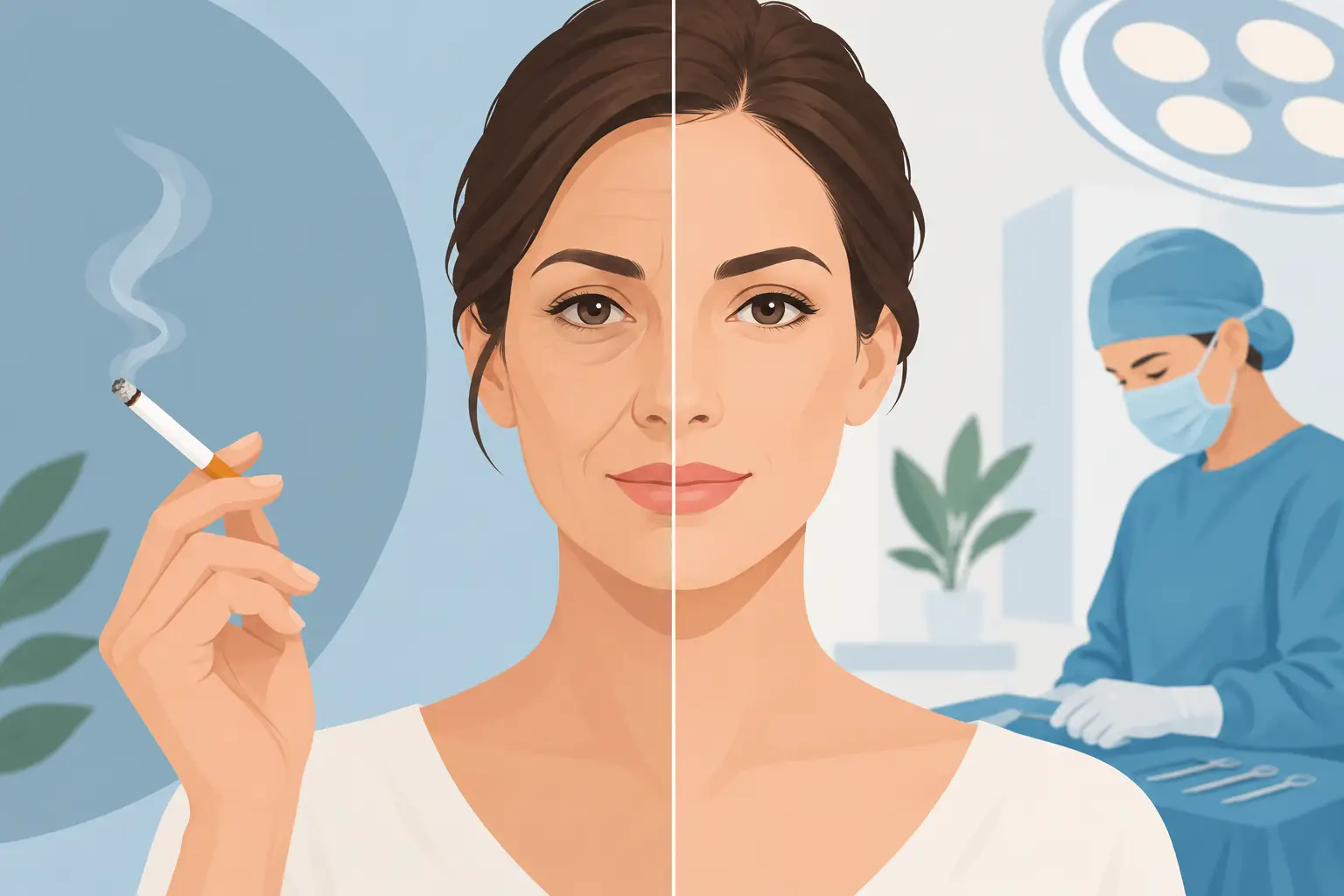
A facelift can beautifully restore definition to the jawline, cheeks, and neck, but it asks a great deal of the body during healing. So, can smokers get facelift surgery? Sometimes, yes – but only after a serious conversation about nicotine, blood flow, and a surgeon’s safety requirements. For many patients, stopping smoking is not simply a recommendation. It is a condition of moving forward safely.
A facelift involves carefully lifting and repositioning facial tissues, often along with removing or redistributing skin and fat. Those tissues need a dependable oxygen-rich blood supply to heal. Smoking and nicotine can interfere with that supply at exactly the time your face needs it most.
Why Smoking Matters Before a Facelift
Nicotine causes blood vessels to constrict. Less blood flow means less oxygen and fewer nutrients reaching healing tissue. Cigarette smoke also contains carbon monoxide, which reduces the blood’s ability to carry oxygen, along with other chemicals that can impair wound repair.
That combination is especially concerning in facelift surgery because the skin is elevated from the underlying tissue during part of the procedure. Most patients heal normally when they are appropriate candidates and follow instructions closely. However, smoking increases the risk that areas of skin may heal slowly, develop infection, separate at the incision, or, in severe cases, lose blood supply.
Poor healing is not merely a cosmetic inconvenience. It can mean more discomfort, more appointments, a longer recovery, visible scarring, or a need for additional treatment. A qualified facelift surgeon takes these risks seriously because an elegant result depends on healthy healing as much as surgical technique.
Can Smokers Get Facelift Surgery If They Quit?
In many cases, a former smoker can be an excellent facelift candidate. The key question is not whether you have ever smoked. It is whether you can remain completely nicotine-free for the period your surgeon requires before and after surgery.
Policies vary by surgeon and by the extent of the procedure, but many require patients to stop all nicotine use at least four to six weeks before surgery and to remain nicotine-free for several weeks afterward. Some surgeons ask for a longer period, particularly for patients having a more extensive facelift, neck lift, revision procedure, or additional facial surgery at the same time.
Your surgeon may also require nicotine testing before surgery. This is not about judgment or catching someone out. It is a practical safety measure. A positive test can lead to postponement because proceeding under those circumstances may create an avoidable risk.
The safest approach is to be completely honest during consultation. Tell the surgeon how much you smoke, when you last used nicotine, whether you vape, and whether you have tried to quit before. That information allows the care team to recommend a realistic timeline rather than putting a planned procedure at risk.
Nicotine Is Not Limited to Cigarettes
A common misunderstanding is that vaping is safe before surgery because there is no cigarette smoke. For facelift healing, that assumption can be dangerous. Vapes, e-cigarettes, nicotine gum, patches, lozenges, pouches, and many smokeless tobacco products may still expose you to nicotine.
Even products marketed as lighter alternatives can be a concern when a surgeon has instructed you to avoid nicotine. Do not substitute vaping for cigarettes without asking. If you need help quitting, speak with your primary care physician or a smoking-cessation professional early in the planning process so you can choose an approach that fits your medical needs and your surgeon’s protocol.
Marijuana smoking should also be disclosed. Smoke of any kind can affect the respiratory system and may complicate anesthesia planning. Edibles and other cannabis products can also interact with medications or anesthesia, so your anesthesiology team needs a clear and complete picture.
What Happens If You Smoke During Recovery?
The period after facelift surgery matters just as much as the weeks before it. Patients sometimes feel confident once the operation is over and assume an occasional cigarette will not make a difference. Unfortunately, the newly healing tissues remain vulnerable.
Smoking after surgery can compromise circulation when incisions and skin flaps are still healing. It may increase swelling, delay closure of incisions, worsen scarring, and undermine the quality of the final result. A facelift is an investment in your confidence, comfort, and appearance. Protecting that investment means following the no-nicotine rule for the full recovery period, not only until surgery day.
Recovery also calls for patience in other areas. You may be asked to keep your head elevated, avoid strenuous exercise, take prescribed medications as directed, attend follow-up visits, and refrain from alcohol or supplements that can affect bruising or bleeding. These instructions are individualized. Your surgeon’s directions should always take priority over general guidance online.
Planning Your Surgery Around Smoking Cessation
If you are considering a facelift and currently smoke, give yourself more time than you think you need. The best time to begin quitting is before you select a surgery date. Doing so prevents the disappointment of having to postpone a procedure after travel, accommodations, and recovery arrangements have been made.
Start by discussing your goals with your physician, especially if you have lung disease, heart disease, diabetes, circulation concerns, or a history of wound-healing issues. These conditions do not automatically rule out surgery, but they can change the evaluation and preparation required.
Then ask a facelift specialist direct questions: How long must I be nicotine-free? Are nicotine-replacement products allowed? Will testing be required? How long after surgery must I avoid nicotine? What happens if my test is positive? Clear answers allow you to make a responsible decision before committing to a date.
For patients traveling for surgery, careful scheduling is even more valuable. You need enough time to be cleared before departure and enough recovery time afterward to be seen by the surgical team before flying home. A well-organized surgical journey should never pressure you to proceed before you are medically ready.
A Safer, More Supported Facelift Experience
Choosing surgery abroad should not mean compromising on medical standards. At FaceLiftMexico, prospective patients receive a founder-led consultation process that coordinates direct discussion with a board-certified facelift surgeon specialist. The focus is on candidacy first, including smoking history, medical history, medications, and the practical realities of recovery.
For appropriate candidates, the experience is structured around surgery in a full-service hospital and recovery in a private 4-star retreat in San Miguel de Allende. Airport transportation assistance, post-operative support, and a dedicated recovery setting can remove much of the stress of organizing care in another country. The goal is not to rush a patient toward surgery. It is to create the conditions for a safe, comfortable, and well-supported recovery.
Patients also appreciate knowing the full scope of their plan in advance. A bundled approach can make it easier to understand hospital arrangements, recovery accommodations, and the assistance available after surgery. Financing may help eligible patients plan for treatment, but it should never replace sound medical preparation. If smoking cessation requires postponing your procedure, waiting is the wiser investment.
When a Surgeon May Say No
A responsible surgeon may decline or delay a facelift if a patient cannot stop nicotine use, has a positive nicotine test, or has medical factors that make circulation and healing too risky. That answer can feel frustrating, particularly when you have been looking forward to a change. Yet it is a sign of good judgment, not a lack of interest in your case.
There is no responsible shortcut around healing biology. The safest surgeon is one who protects the patient and the result, even when that means asking you to return after you have been nicotine-free long enough.
Quitting can be challenging, but it can also be a powerful first step toward your facelift goals. Give yourself time, be open with your surgical team, and let safety set the schedule. The right facelift plan begins not with a date on the calendar, but with a body prepared to heal beautifully.
0 comments